
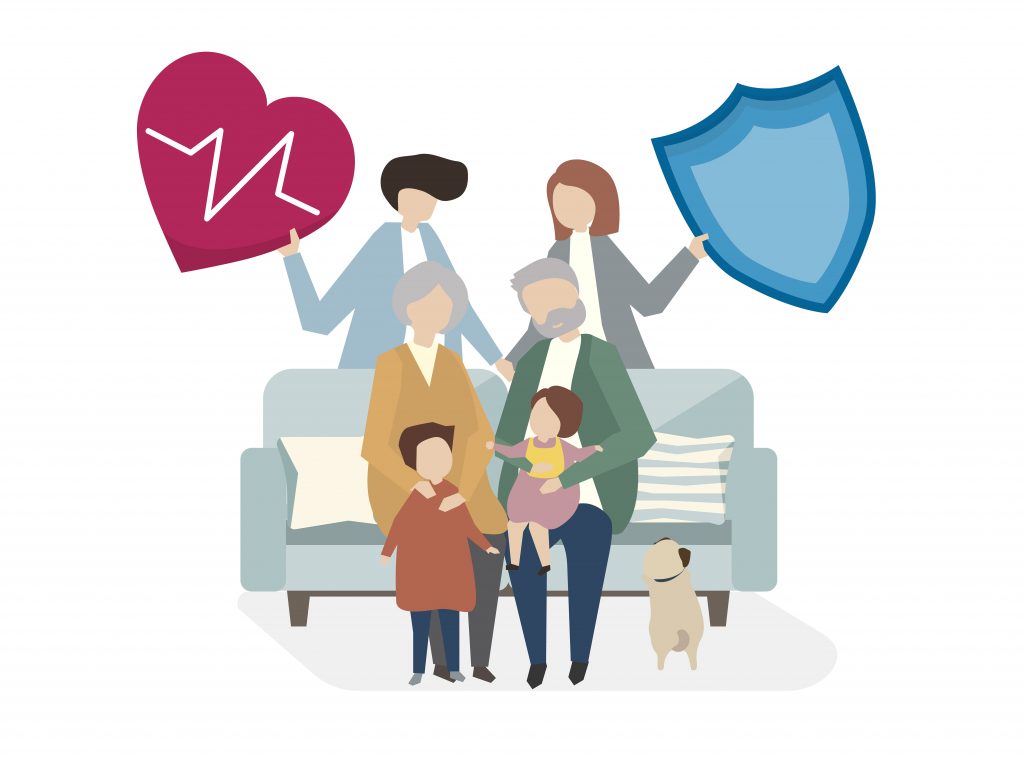
- Critical illness insurance provides a lump sum if you are diagnosed with a serious medical condition, helping cover treatment costs, lost income, or lifestyle adjustments.
- Life insurance protects your loved ones financially after your death, replacing income, covering debts, and funding future expenses.
- The main difference is timing: critical illness insurance pays while you are alive and ill, life insurance pays after death.
- Having both policies can provide comprehensive protection, reducing financial stress during illness and ensuring your family is secure.
- Critical illness riders or hybrid policies allow you to combine coverage, though separate policies often offer more flexibility.
- Coverage needs depend on personal factors such as age, health history, dependents, financial responsibilities, and budget.
- Avoid common mistakes: don’t underinsure, overlook overlapping coverage, ignore policy riders, or wait too long to purchase insurance.
Insurance can be complicated, particularly when considering options to safeguard your finances and family. Critical illness insurance and life insurance are two types of coverage often mentioned together. Although both contribute to financial security, their mechanisms are distinct. To make informed choices, it is crucial to understand the differences between them and how they can be used together.
What Is Critical Illness Insurance?
Critical illness insurance is designed to give you a financial safety net if you are diagnosed with a serious medical condition. Unlike health insurance, which primarily covers medical bills, a critical illness plan usually pays a lump sum directly to you. This money can be used however you need—paying for treatments, covering lost income, or even adjusting your lifestyle while you recover.
What Conditions Are Typically Covered?
Policies vary, but common conditions include:
- Heart attack
- Stroke
- Cancer
- Kidney failure
- Major organ transplants
- Coronary artery bypass surgery
Some plans even include less common but serious conditions, depending on your provider. It’s important to read the fine print so you know exactly what is covered.
Why Do You Need Critical Illness Insurance?
Medical bills and lost income can add up quickly. Critical illness insurance:
- Helps cover costs not included in your health insurance
- Provides money to modify your home or lifestyle if needed
- Gives you flexibility to focus on recovery, not finances
Even if you have good health insurance, critical illness coverage can fill financial gaps and provide peace of mind.
What Is Life Insurance?
Life insurance, on the other hand, is designed to protect your loved ones financially if you pass away. The main goal is to replace income, cover debts, or fund future expenses such as your children’s education or mortgage payments.
Types of Life Insurance
The two main types are:
- Term Life Insurance: Provides coverage for a specific period, usually 10, 20, or 30 years. It pays out only if you pass away during the term. Term insurance is often more affordable and is ideal for families seeking financial protection during key life stages.
- Permanent Life Insurance: Includes whole life and universal life policies. These offer coverage for your entire life and often include a cash value component that grows over time. Permanent life insurance is more expensive but provides lifelong coverage and can serve as an investment tool.
Why Do You Need Life Insurance?

Life insurance ensures your loved ones aren’t left with financial burdens. It:
- Replaces lost income
- Covers debts and loans
- Provides money for funeral costs
- Offers a financial legacy
Without life insurance, your family may struggle to maintain their lifestyle if you pass away unexpectedly.
How Critical Illness Insurance and Life Insurance Differ
It’s easy to confuse these two types of coverage since both offer financial protection, but they work in distinct ways:
| Feature | Critical Illness Insurance | Life Insurance |
| Purpose | Protects you during life-threatening illness | Protects your beneficiaries after death |
| Payout | Lump sum upon diagnosis of a covered condition | Lump sum upon death |
| Coverage | Specific illnesses listed in the policy | Death from any cause (term or permanent) |
| Premiums | Usually lower than life insurance | Can vary based on term or permanent policy |
| Tax Benefits | May not be tax-deductible, varies by country | Often has tax-free death benefits for beneficiaries |
The key difference is timing. Critical illness insurance provides money when you are alive but ill, whereas life insurance provides money after death.
Can You Have Both Critical Illness and Life Insurance?
Yes, and many people do. Having both types of coverage ensures comprehensive protection for yourself and your family. Here’s how they complement each other:
- Life insurance covers your family if something happens to you
- Critical illness insurance helps you manage costs if you fall seriously ill
- Together, they reduce financial stress during medical emergencies and provide long-term security
Ways to Combine Coverage
- Separate Policies: Buy a critical illness plan and a life insurance plan independently. This allows flexibility in coverage amounts and terms.
- Riders: Many life insurance policies offer a critical illness rider, which adds lump-sum coverage for certain illnesses to your life insurance plan.
- Hybrid Policies: Some insurers offer policies combining both life and critical illness coverage, usually with a single premium. This can be convenient but may cost more upfront.
How Payouts Work
Understanding payouts is crucial to see why these policies differ so much in use:
- Critical Illness: Once diagnosed with a covered condition and the claim is approved, the insurer pays a lump sum directly to you. You can spend it on treatment, bills, or daily living expenses.
- Life Insurance: The insurer pays a death benefit to your beneficiaries after your passing. The money is typically tax-free and can be used to cover debts, daily expenses, or long-term goals.
It’s worth noting that some critical illness policies may reduce the life insurance payout if a claim is made for the same policyholder.
How to Decide What You Need
Choosing between these policies—or deciding to have both—depends on your personal situation. Consider these factors:
- Age: Younger adults may prioritize term life insurance to protect dependents. Older adults may focus on critical illness insurance if they are more concerned about medical costs.
- Health History: Family history of illnesses like cancer or heart disease may make critical illness insurance more attractive.
- Financial Responsibilities: Do you have dependents or a mortgage? Life insurance may take priority.
- Existing Coverage: Check your employer benefits and health insurance. Some workplace plans include limited critical illness coverage.
- Budget: Premiums for both policies may strain your finances, so balance coverage with affordability.
Common Questions About Critical Illness and Life Insurance
Can I Use Critical Illness Payout to Pay Off Mortgage?
Yes. The payout from a critical illness plan can be used however you like. Many people use it to pay off debts, including mortgages, or to cover daily living expenses while they are unable to work.
Does Life Insurance Cover Critical Illness?
Standard life insurance does not cover critical illness. However, you can add a critical illness rider to a life policy, which pays out if diagnosed with certain conditions.
How Much Critical Illness Coverage Do I Need?
A good rule of thumb is to have enough to cover:
- Medical bills not covered by health insurance
- Living expenses for 6–12 months
- Additional costs such as home care, travel for treatment, or lifestyle adjustments
Are Premiums for Critical Illness Insurance Tax-Deductible?
It depends on your country and policy type. In many places, premiums are not tax-deductible, but payouts are usually tax-free. Always check local regulations or speak to a financial advisor.
What Happens If I Don’t Claim Critical Illness Insurance?
If you never develop a covered illness, you simply don’t receive a payout. Some hybrid or return-of-premium policies refund part or all of your premiums if no claim is made, but standard policies generally do not.
Benefits of Having Both Policies
Having both critical illness and life insurance can give you layered financial protection:
- Provides a lump sum during a medical crisis
- Ensures family is supported if you pass away
- Reduces reliance on savings or emergency funds
- Offers peace of mind knowing multiple risks are covered
This approach is particularly beneficial for families with children, dependents, or significant financial obligations.
Mistakes to Avoid
When purchasing insurance, keep these common mistakes in mind:
- Buying Too Little Coverage: Underestimating future expenses can leave you underprotected.
- Overlapping Policies: Some policies may cover the same risks unnecessarily. Evaluate carefully.
- Ignoring Riders: Critical illness riders on life insurance can be convenient, but may limit coverage amounts.
- Waiting Too Long: Premiums increase with age and health conditions, making early coverage more cost-effective.
Tips for Choosing the Right Policy
- Compare multiple insurers and policies
- Read terms and exclusions carefully
- Consider your family’s financial needs
- Think long-term about potential medical and lifestyle costs
- Consult a licensed insurance advisor for personalized guidance
Conclusion: Do You Need Both?
Ultimately, the choice between critical illness insurance and life insurance doesn’t have to be either/or. Many people benefit from having both, using each type of coverage to protect different aspects of their financial life. Critical illness insurance helps you during life-threatening health events, while life insurance ensures your loved ones are financially secure after you’re gone. Together, they provide a comprehensive safety net that can ease stress, support recovery, and safeguard your family’s future.
When planning for your financial security, consider your health, family obligations, and long-term goals. By understanding the differences and how these policies work together, you can make informed decisions that keep you and your loved ones protected no matter what life throws your way.
